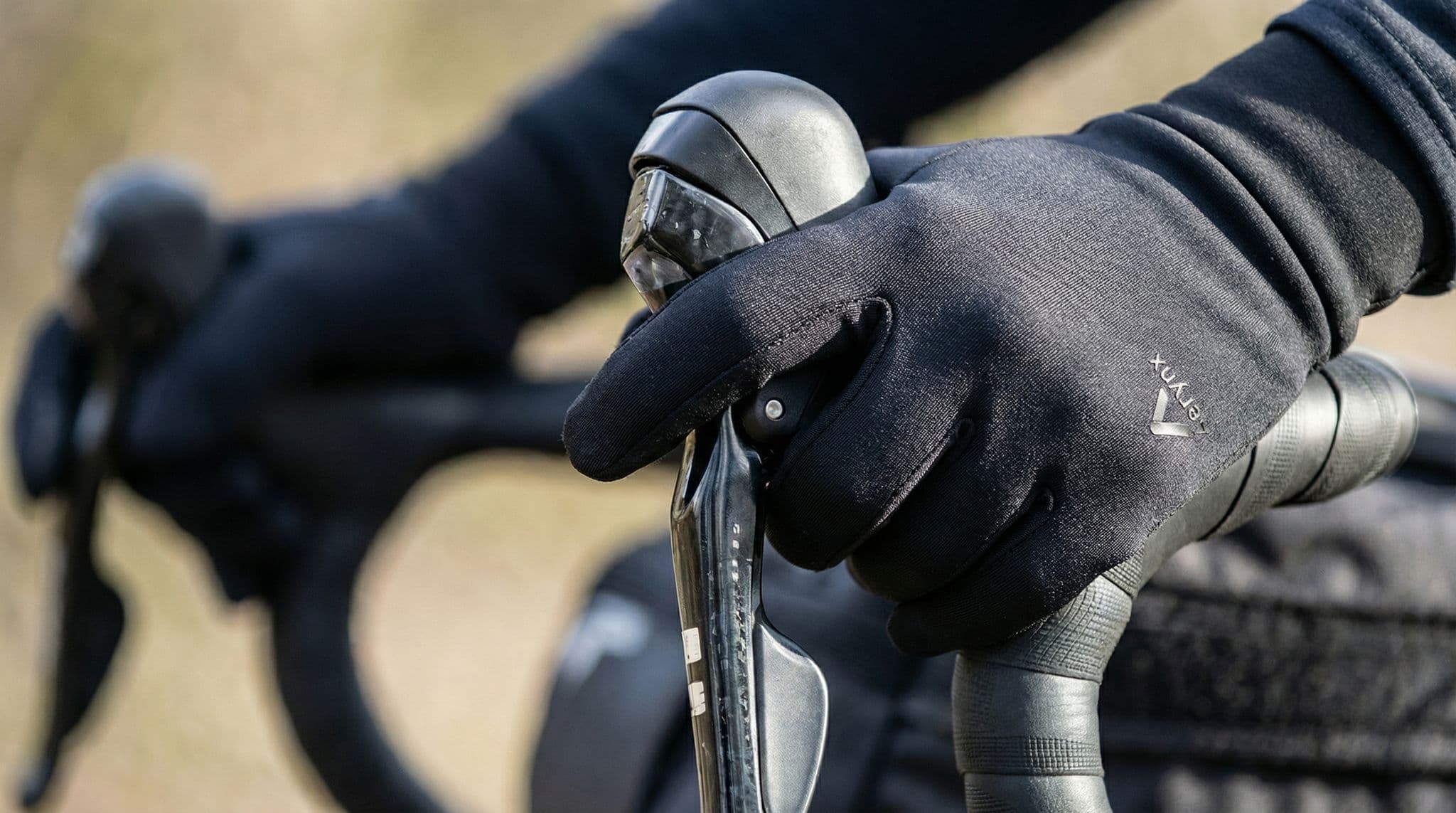
Begin with the job, then read the number
Temperature is a useful organizing tool because it gives a purchase question a clear beginning: how cold will it be when my hands are doing the work? It is not a promise of identical comfort for every person. A runner moving at a high output creates more heat than a commuter waiting at a crossing. A cyclist meets moving air even on a mild day. A dog walk can include long stops. The same forecast can therefore call for different gloves.
Use the stated range as comfort-use guidance for active everyday use. Then add the variables that the thermometer cannot see: wind, wetness, duration, pace, circulation, and whether the wrist is covered. The useful outcome is a decision you can explain—X1 for the warmer, more active window; X2 for the cooler 0–10°C band; a shell or another category when the conditions go beyond both.
This approach also avoids an unhelpful race to the warmest glove. A glove that feels reassuring in a shop can become damp and awkward halfway through a run. A glove that is too light can make a slow commute miserable. Pick for the work you actually do, not the coldest scene you can imagine.
The two current Aerynx comfort windows
X1 is specified for 5–15°C (41–59°F). It has a four-way-stretch shell, a 320 gsm fleece interior, a DWR water-repellent finish, silicone grip, and conductive thumb, index, and middle fingertips. It is the lighter choice when active hands need coverage without the extra wind barrier of X2. The phrase specified for means a use guide; it does not override wind chill, rain, or your own circulation.
X2 is specified for 0–10°C (32–50°F). Its knit shell, wind-blocking mid-layer, and 320 gsm fleece form a warmer everyday construction. The face is DWR water-repellent rather than waterproof, and the same three fingertips support common phone gestures. This is a useful middle ground for a cool commute, an easy run, or a ride where air movement makes a thin glove feel insufficient.
| Forecast | If you are moving | If you stop often | Suggested next check |
|---|---|---|---|
| 5–15°C / 41–59°F | X1 is the lighter starting point | Add a layer or choose a warmer category | Check wind and wrist coverage |
| 0–10°C / 32–50°F | X2 is the starting point | Expect to need more insulation during long stops | Check pace, duration, and dampness |
| Around −4–0°C / 25–32°F | X2 may work for shorter active outings | A shell or warmer glove becomes more useful | Protect against wind and wet |
| Below about −4°C / 25°F | Use X2 as an inner layer only when the outer system fits | Choose a shell, mitt, or dedicated cold-weather glove | Treat this as outside X2’s solo comfort guidance |
Start cold, finish comfortable
Many runs change temperature in the first half hour because your effort changes, not because the forecast suddenly did. Starting in a glove that feels luxurious can mean finishing with damp palms. Starting slightly cool can be reasonable when the route is short and the hands warm quickly. The important distinction is between a little initial coolness and fingers that are losing useful feeling. If the latter happens, stop and change the system rather than treating discomfort as a test of character.
A pocket is part of the system. If you can remove X1 or X2 without interrupting the activity, the glove can cover more of a changing morning. That is a practical advantage of a five-finger glove with touchscreen fingertips: you can adjust without exposing bare skin for every phone check. A larger shell over an inner layer can offer a similar option when the outing moves below the comfort window.
- Before leaving, check the air temperature and whether the route has exposed wind.
- Choose the pair whose comfort window includes most of the active portion, not the coldest minute at the door.
- Carry a shell when rain, wet snow, or a long below-freezing section is plausible.
- Reassess at ten and thirty minutes: useful fingers, dry enough fabric, and no painful compression are better signals than a label.
When the chart says add, not upgrade
Below about −4°C (25°F), Aerynx recommends thinking of X2 as an inner layer under an appropriate outer shell for long outings. This is comfort-use guidance, not a safety rating. The outer layer should provide the weather boundary the knit does not: protection from steady precipitation, additional wind control, or more insulation for time spent still. Leave enough room that the combined pair does not pinch the fingers or defeat the touchscreen contact.
If you are deciding between a shell and a completely different glove, ask what fails first. If the fabric gets wet, add weather protection. If the hand is cold while dry and moving slowly, more insulation may be appropriate. If the fingers are clumsy because the fit is too loose, a thicker glove will not solve the circuit or the grip. If the activity is chairlift stops, snow handling, or an all-day static task, mitts may be the better answer. A temperature chart is a map to the next question, not a podium.
If your fingers go numb while your body feels fine
Hands can lose comfort before the torso does. Air moving over the fingers, damp fabric, a bare wrist gap, and a tight cuff are common things to inspect. A too-tight finger can reduce comfort; a too-loose finger can leave an air gap and make the touchscreen less reliable. Warm the whole system, not only the palm: cover the wrist, check the head and torso, and change a wet layer.
There is no universal glove answer for recurring numbness. A brand cannot diagnose a medical condition, and a use guide is not medical advice. If easy outings repeatedly cause unusual color change, pain, or loss of sensation, stop treating the glove as the diagnosis and speak with a qualified health professional. A shell, mitt, or heated system may be a practical equipment choice, but it is not treatment.
Make the choice last
Both current gloves are Hand Wash Only. Wash with mild detergent and line dry away from heat; skip bleach, softener, tumble drying, and ironing. The DWR face is a water-repellent treatment, not a promise that the glove can be submerged. Keeping the fabric clean and dry supports the intended feel and makes it easier to notice when a shell is needed.
The X1 listing is $18.99 (ASIN B0FM468WQC), and the X2 listing is $20.98 (ASIN B0FM479G1V). Both have one-year support against manufacturing defects. Prices and marketplace delivery details belong to the current listing, so use the product page and Amazon checkout for the live purchase terms. The editorial decision remains stable: start with the job, use the comfort window, and add protection only when the weather asks for it.
Temperature decisions in plain language
- What gloves should I wear at 50°F?
- At the warmer end, X1 is the lighter starting point for active use. Some runners will prefer no glove at high effort; check wind and how long you will be outside.
- What about 30°F?
- X2 can work for shorter active outings near freezing, but wind, wetness, and stops matter. For longer exposure, add a shell or choose a glove designed for a colder static use case.
- Is the temperature range a guarantee?
- No. It is comfort-use guidance from the maker. Pace, wind, precipitation, fit, duration, and personal sensitivity all affect how a glove feels.