
Aerynx Lab · Field notes
Useful warmth, clearly defined.
Short, considered answers to the cold-weather questions that happen between the forecast and the front door. Read the construction, then choose the layer for the work.
Featured field note · Temperature
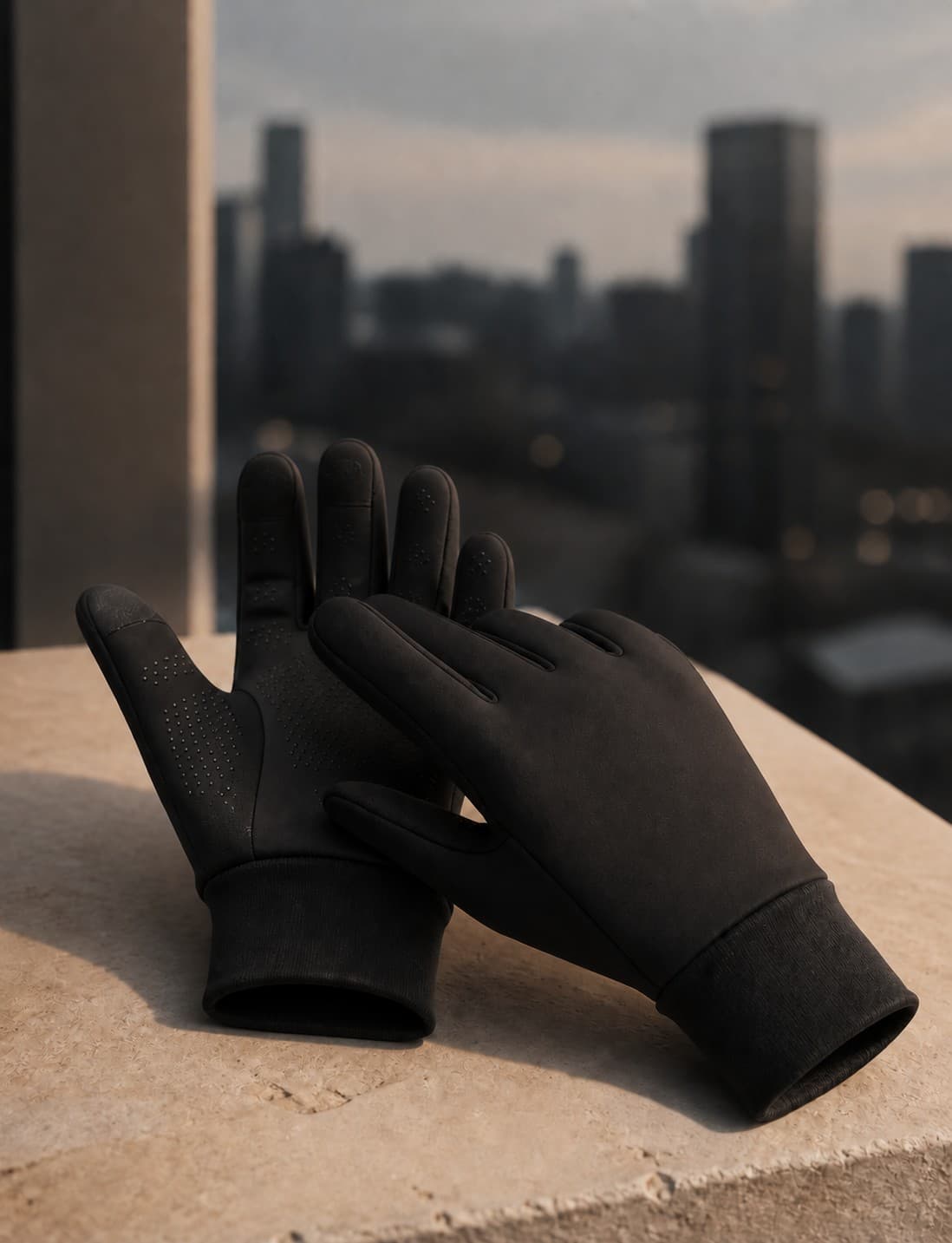
Why Are My Hands Cold in Gloves When the Rest of Me Is Warm?
Your body keeps its core warm first, so fingers feel the cold early. Check wind, damp, a tight fit and what you're gripping before buying thicker gloves.
Read the featureThe complete notebook
All field notes
33 reviewed articles · Updated 2026-09-29
Temperature
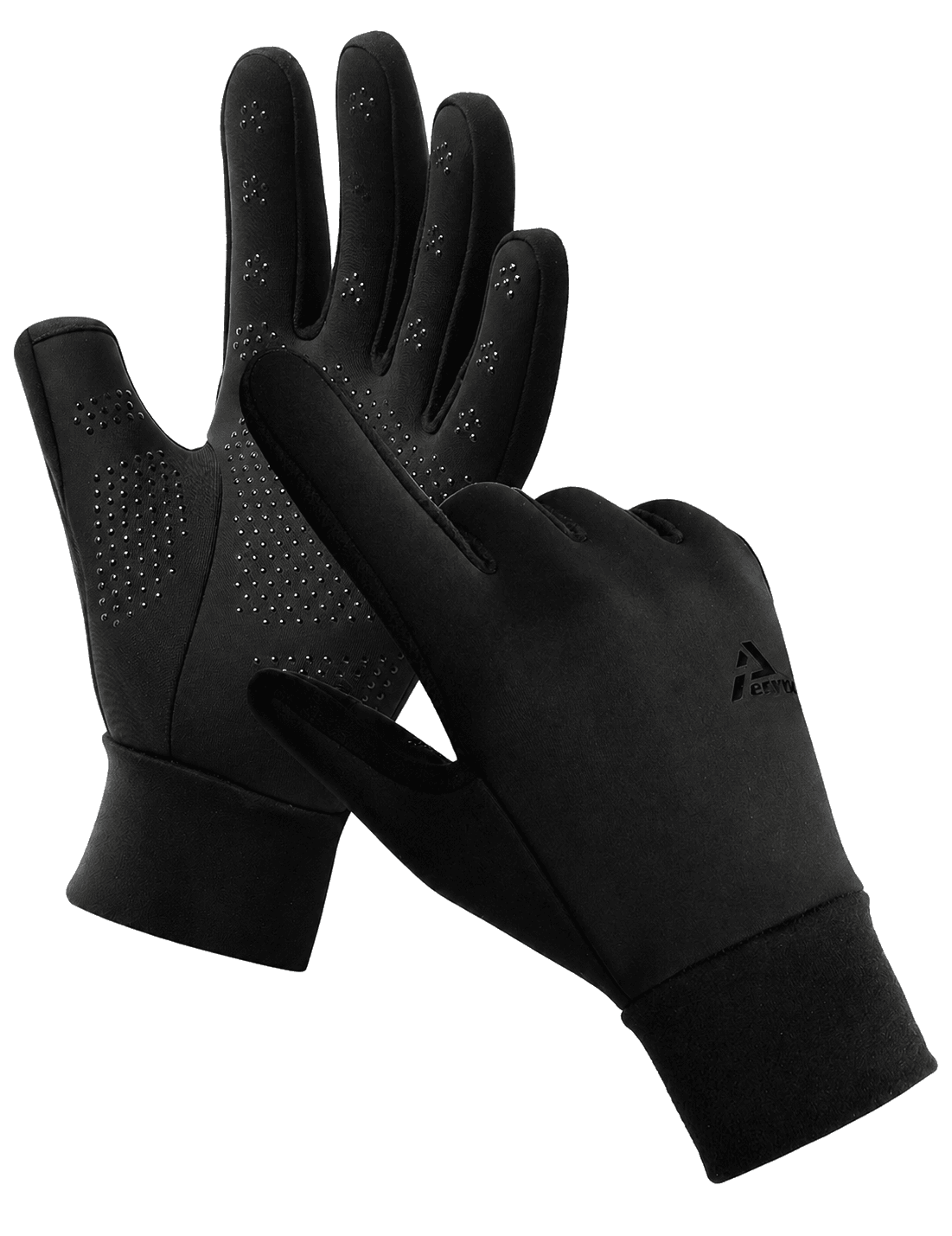
Running Gloves for 32–50°F: Match the Glove to the Work
A practical way to choose a running glove for 32–50°F (0–10°C): read the construction, account for wind and sweat, and add a shell when the conditions leave the comfort window.
Read the field noteWhy Are My Hands Cold in Gloves When the Rest of Me Is Warm?
Your body keeps its core warm first, so fingers feel the cold early. Check wind, damp, a tight fit and what you're gripping before buying thicker gloves.
Read the field note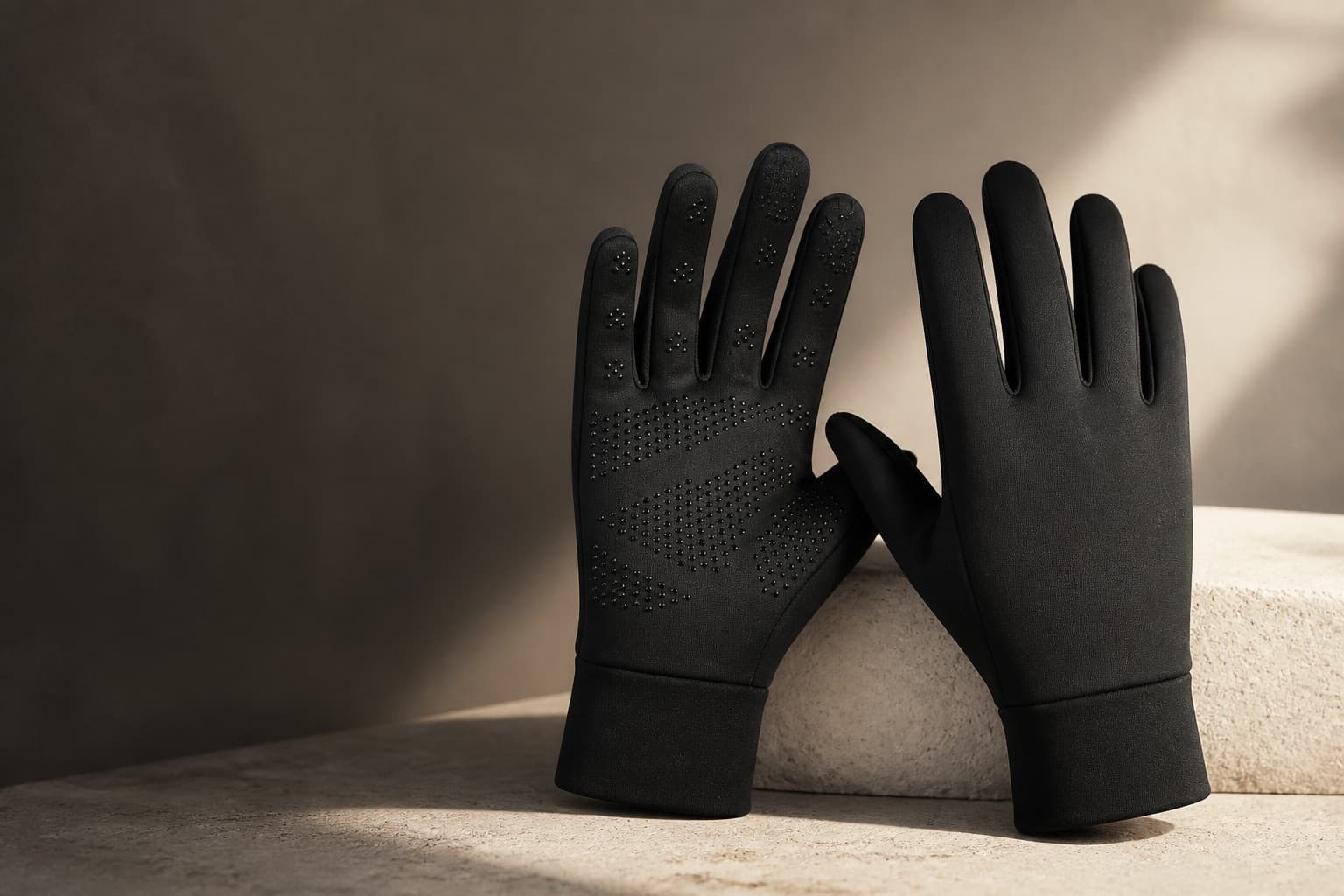
Running Gloves by Temperature: Add Wind, Rain and Pace
Start from 32, 41 or 50°F, then adjust your running gloves for wind, rain, pace, stops and how your own hands respond.
Read the field noteDesign
Iterate to Subtract: Designing Gloves with Fewer Distractions
Aerynx’s design principle is simple: remove features that do not serve the hand’s actual job, then make the remaining warmth, grip, and touch details honest.
Read the field note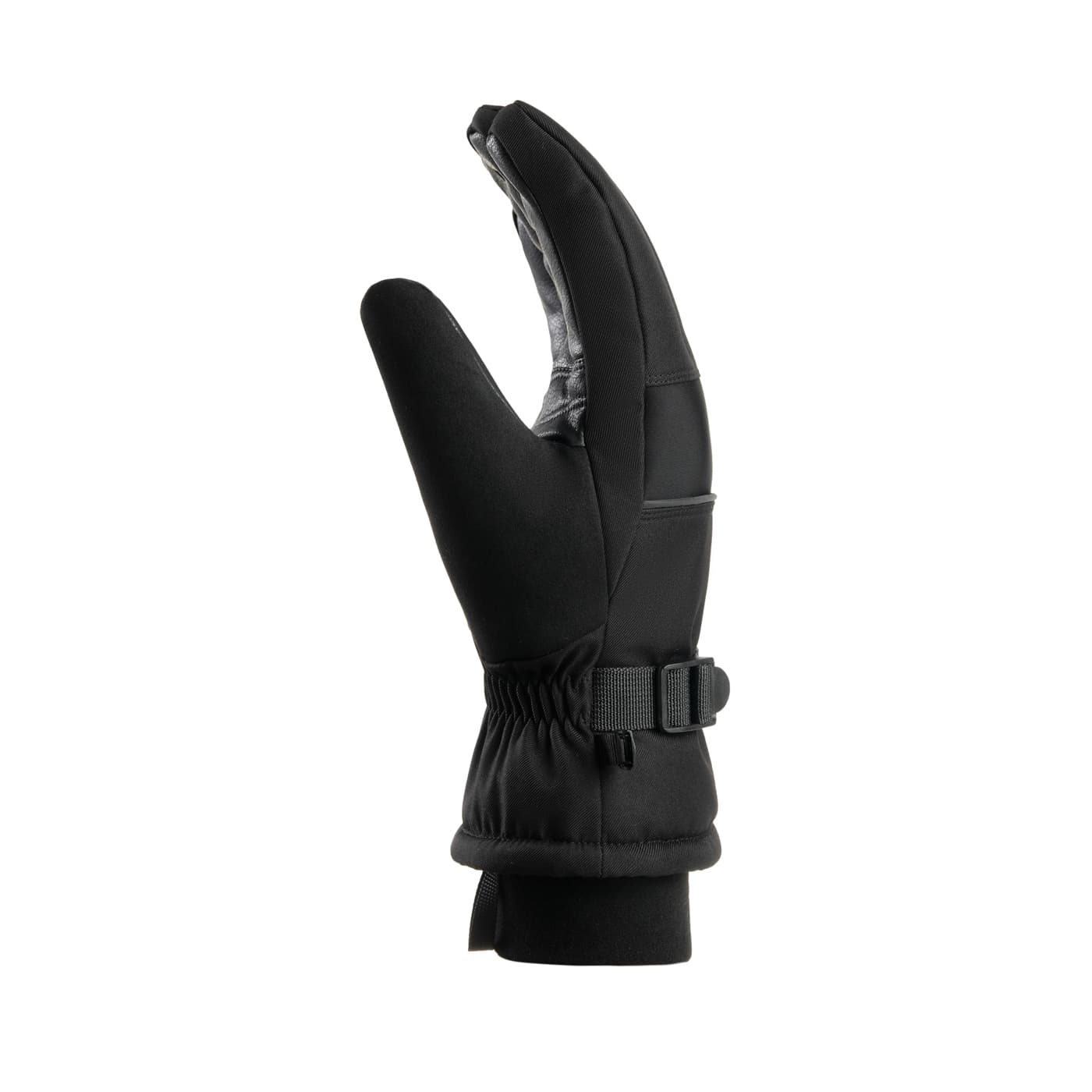
Pre-Curved Glove Fingers: What Changes When You Hold a Cup or a Leash
Pre-curved glove fingers are shaped toward a natural grip, so holding a cup or leash can feel less like fighting the fabric. Here's how to test that yourself.
Read the field note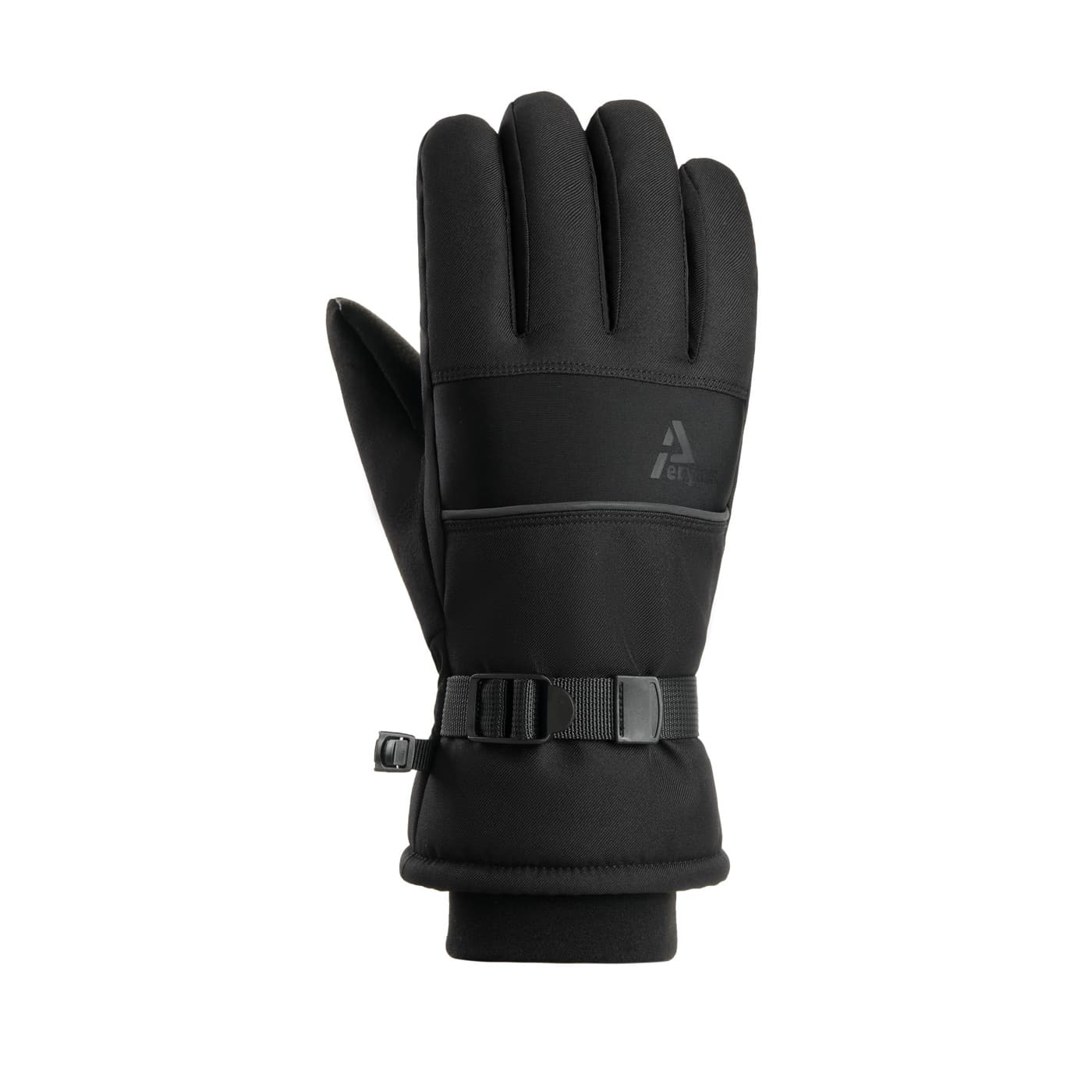
How to Stop Losing Winter Gloves: Wrist Leashes, Pairing Clips and Better Habits
Most gloves go missing right after you take one off. Compare wrist leashes, pairing clips and storage habits, and see why kids need a different setup.
Read the field noteComparison
Aerynx X1 vs X2: Choose by Temperature and Pace
X1 and X2 share three-finger touchscreen control, grip, care, and support. The deciding difference is the temperature job: 5–15°C for X1, 0–10°C for X2.
Read the field noteGloves vs Mittens for Winter: Pick by What Your Hands Have to Do
Mittens are usually warmer, gloves free each finger, and lobster mitts sit in between. Pick by what your hands actually have to do once you're outside.
Read the field noteHow to Choose Winter Gloves: A Task-First Comparison
Choose winter gloves by your weather, daily tasks and the gear you already own. Checked feature examples show why glove categories aren't interchangeable.
Read the field noteHand Warmers or Heated Gloves? Start With the Right Need
A passive glove, a hand warmer or a heated glove? Match added heat to the outing, check fit and instructions, and know when to head indoors.
Read the field noteActivity
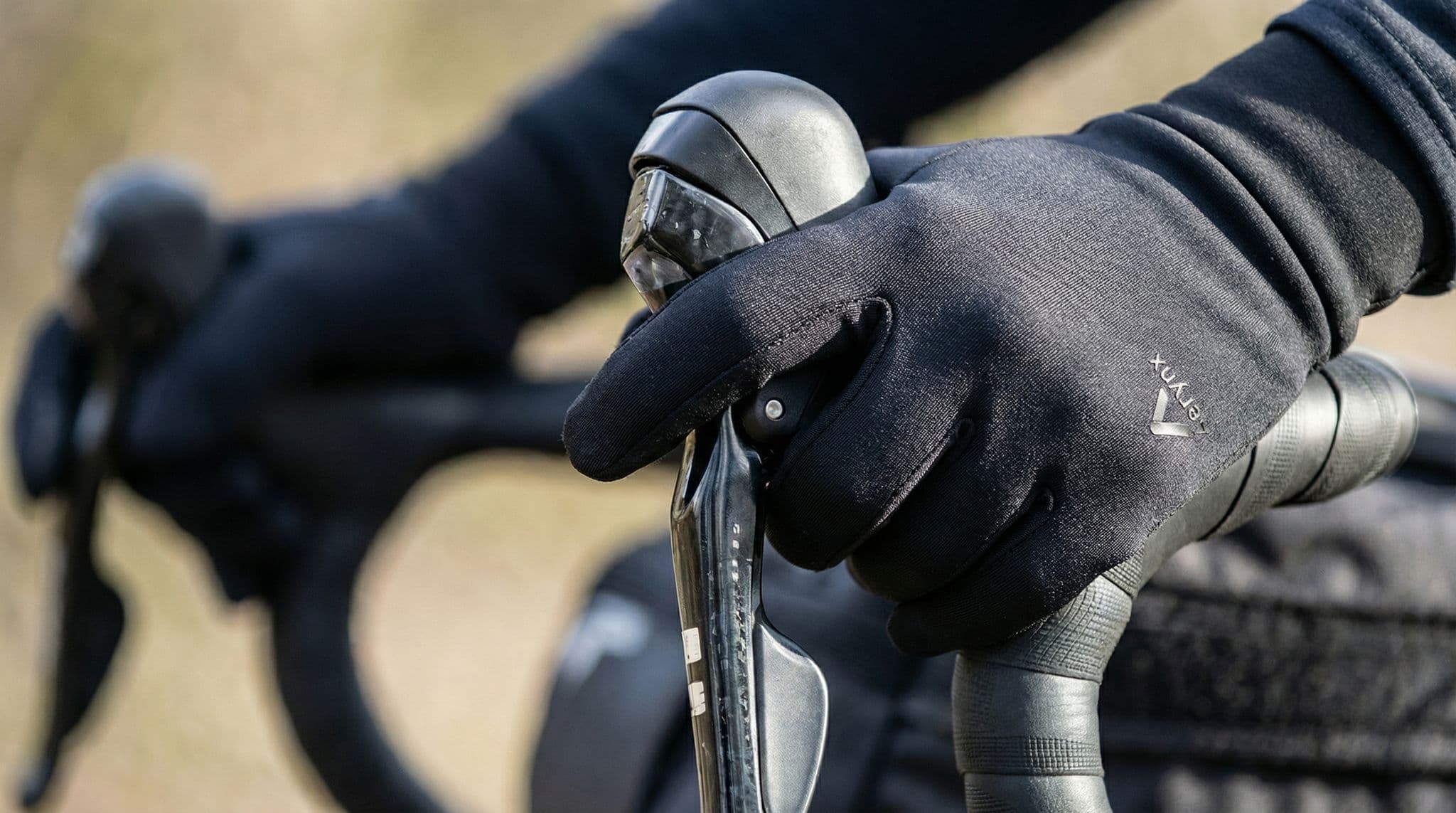
Cold Hands Cycling in Winter? Check Wind, Fit and Control
Moving air and a fixed grip chill your hands fast on a bike. Block the wind, check fit on the bars and manage sweat before you add thickness.
Read the field noteSweaty Hands in Running Gloves? Adjust for the Whole Run
Sweaty hands in running gloves turn cold once you slow down. Match layers to effort, adjust while the lining is only clammy, and carry a dry pair to finish.
Read the field noteWinter Commuting Gloves: From Warm Trains to Cold Platforms
Pick a mid-weight, wind-blocking pair that's easy to take off on a warm train and back on for the platform, with touchscreen tips where you tap.
Read the field note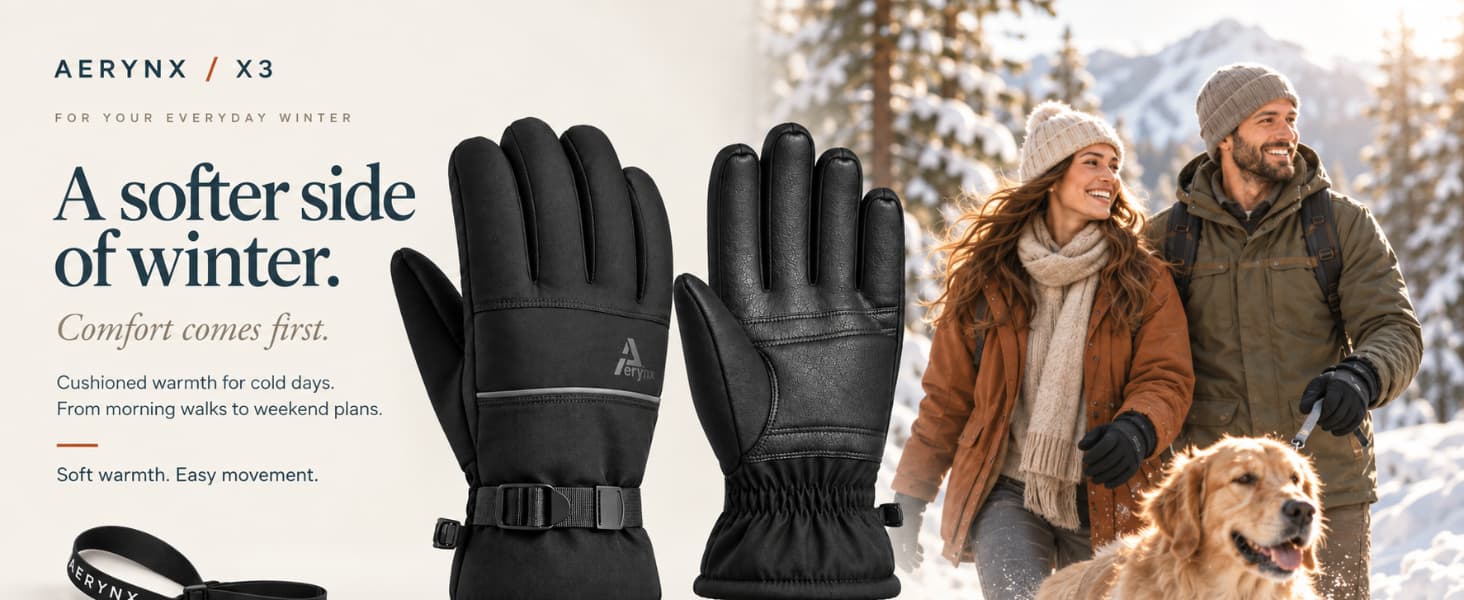
Winter Gloves for Dog Walking: Warmth, Grip and the Small Jobs
The right dog-walking gloves let you hold the leash, open a waste bag and reach your keys without taking them off. Try all three jobs at home first.
Read the field note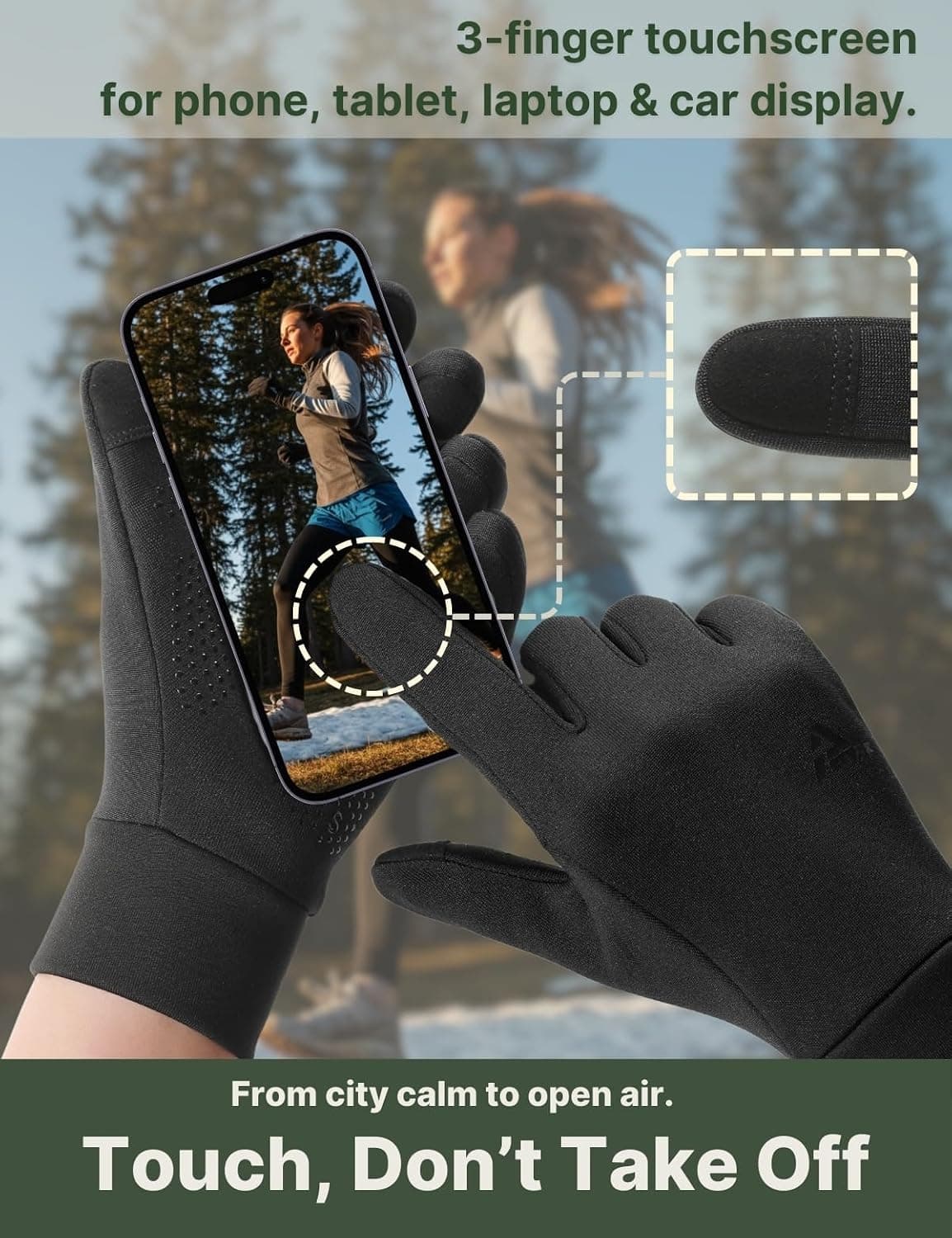
Keep Hands Warm for Winter Photos and Birdwatching
Keep your hands covered through the wait, set up the camera or phone indoors, and uncover only briefly for controls you've already tested with your gloves.
Read the field noteWhy Pack Spare Gloves for a Short Winter Hike?
Even an hour's loop can leave a glove wet or missing. Pack a sealed dry pair, change early, and turn back when the route or weather says so.
Read the field note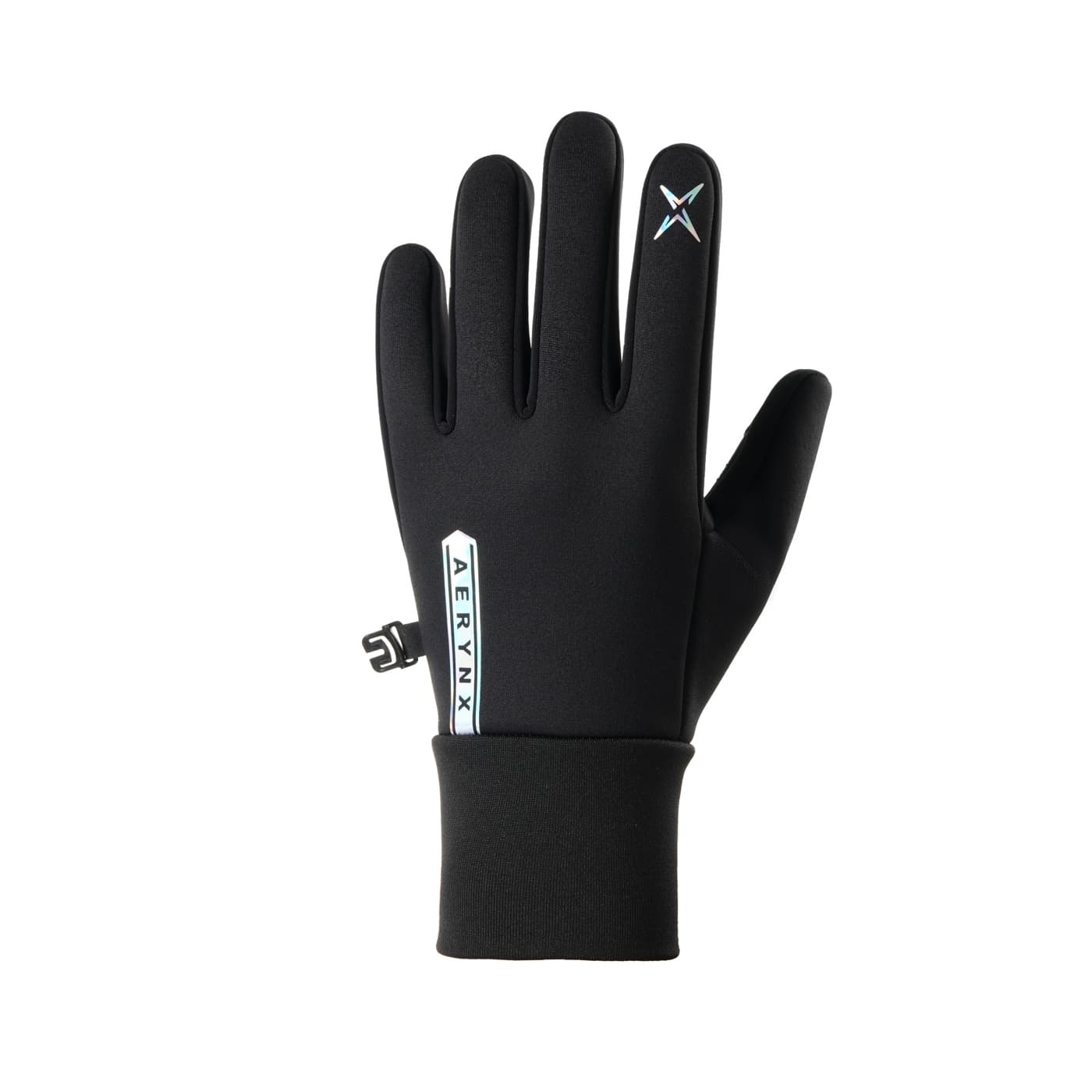
Winter Walks After Dark: Warm Hands and Better Visibility
After dark, start with a light and reflective clothing, then pick gloves that handle your phone, leash and keys. A glove's reflective patch is a small extra.
Read the field noteFit
Are Glove Liners Worth It? Yes, If You Give Them a Job
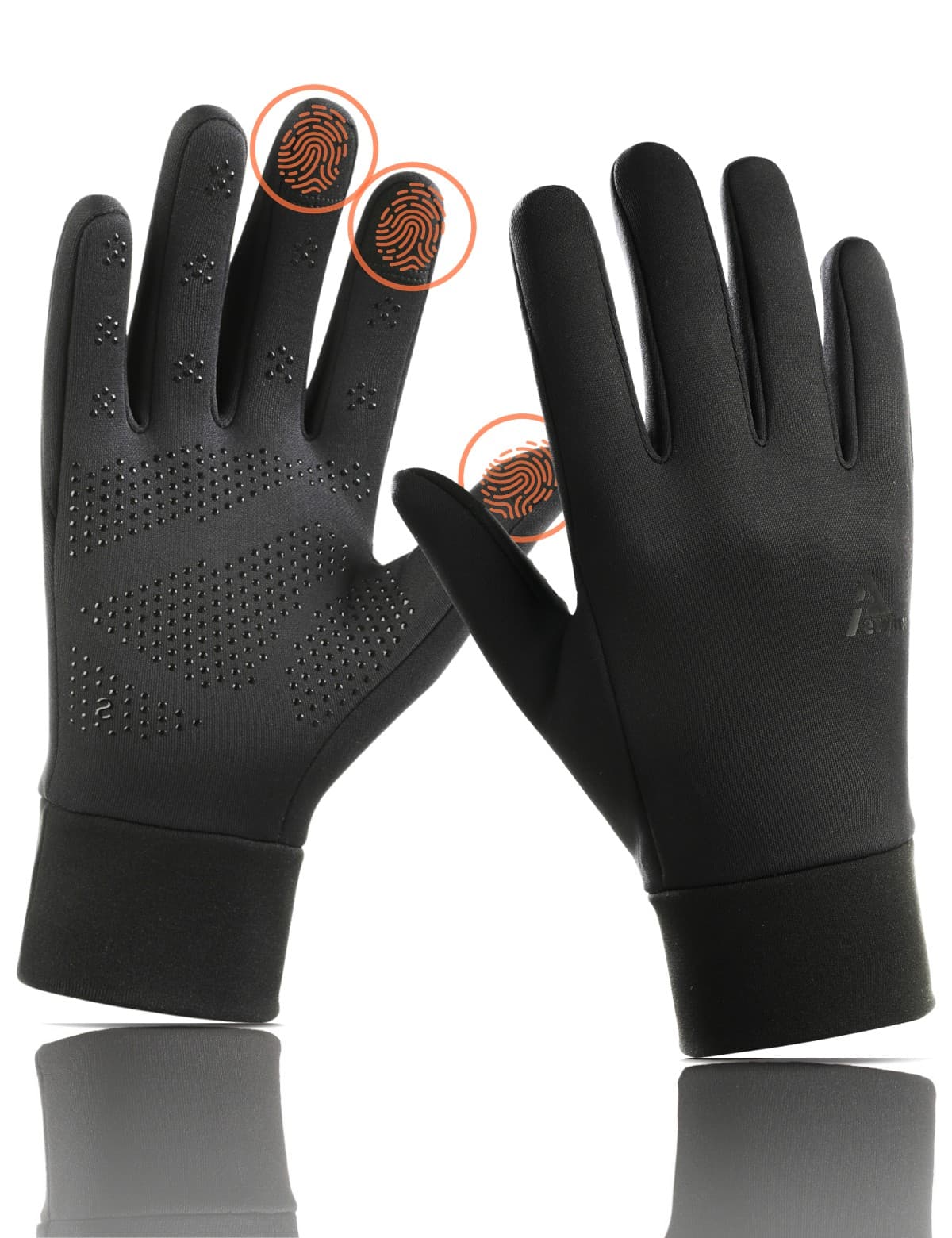
Glove liners are worth it once they have a clear job: inner layer, quick-task cover or mild-day glove. Here's how to judge fit, touchscreen and weather limits.
Read the field noteHow to Layer Gloves Without Losing Fit or Dexterity
Layer gloves by testing the liner and shell together: finger room, cuffs and a few everyday tasks, before you rely on the pair outdoors.
Read the field noteShould Winter Gloves Be Tight or Loose? Three Fit Checks
Winter gloves should sit close without pressing. Grip, pinch and wrist-bend checks show whether there's room to move, and room for a liner if you wear one.
Read the field noteGloves Over or Under Sleeves? Check Cuff Fit in Motion
There's no single over-or-under rule. Try gloves with your winter jacket on, then reach, raise and bend to see which overlap keeps your wrist covered.
Read the field noteWeather
Waterproof vs Water-Resistant Gloves: What Rain Actually Changes
Water-resistant gloves shed drizzle and breathe; waterproof ones add a barrier for steady rain and wet snow. Either way, keep an eye on seams and the cuff.
Read the field note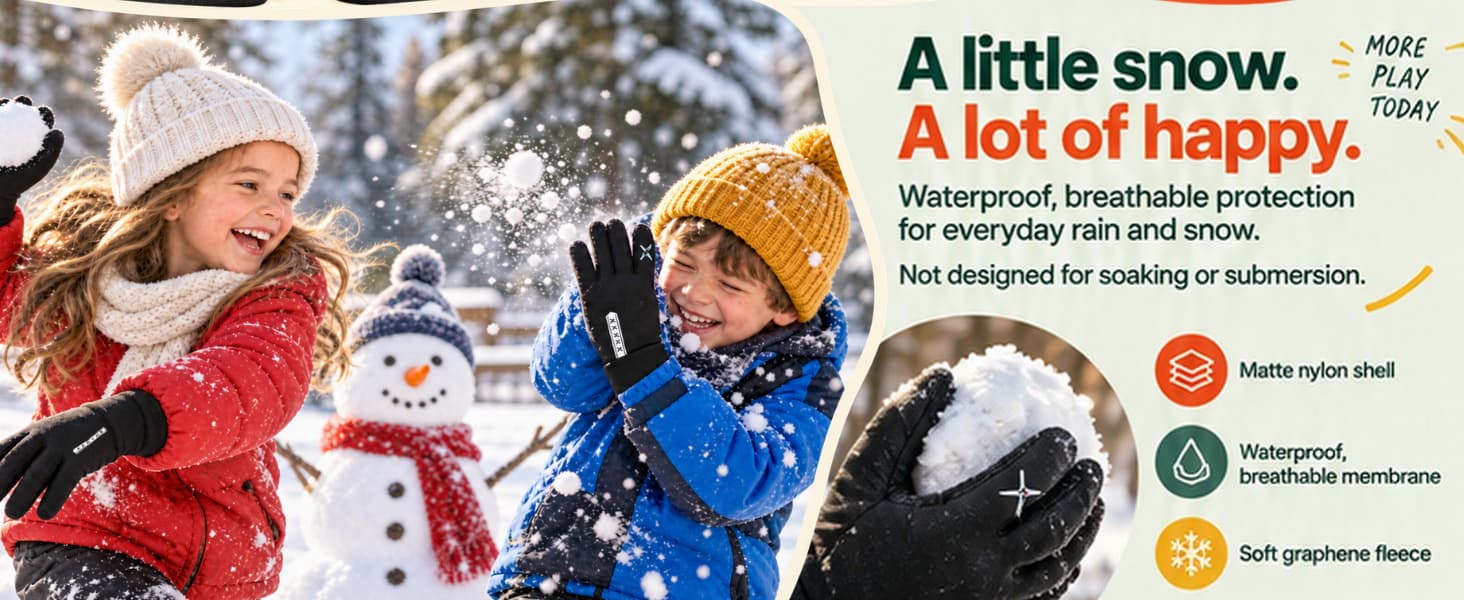
Gloves Wet Inside in Snow? Check Sweat, Seams and Cuffs
Wet inside can mean sweat, snow at the cuff or water getting through. Find the first damp spot, check the cuff and sleeve, and bring a dry pair for snow days.
Read the field noteTouchscreen
Kids

Winter Gloves for School Kids: Start With What They Can Manage Alone
Pick school gloves your kid can put on, take off and keep track of without help. Fit comes first, then the cuff and a dry backup. Mittens count too.
Read the field noteKeep Kids' Hands Warm Playing in Snow: Check-Ins, Breaks and Dry Gloves
Don't wait for kids to say their hands are cold. Check inside their gloves at each pause, swap wet pairs early and know when it's time to go in.
Read the field noteMaterials
PFAS-Free Gloves: What “No Intentionally Added” Actually Means
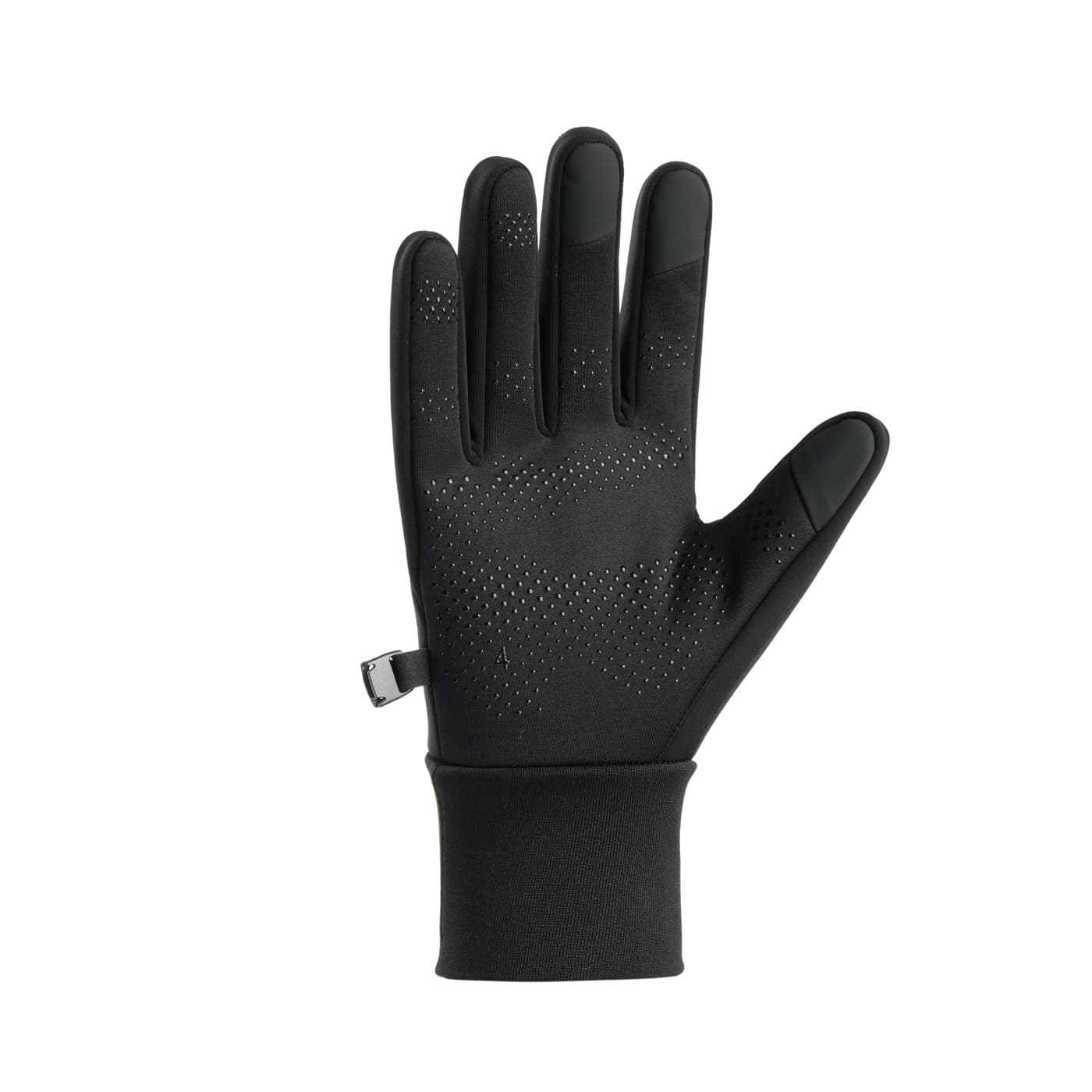
PFAS-free, PFOA-free and “no intentionally added PFAS” cover different ground. What each glove label means, what it leaves out, and what to ask a brand.
Read the field noteCan PFAS-Free Gloves Keep Rain Out? DWR and Waterproofing
Yes, a glove made without intentionally added PFAS can be built for rain, but the label won't prove it. Check the finish, barrier, seams, cuff and care.
Read the field noteHow Do Graphene Gloves Work? Where the Warmth Really Comes From
A graphene glove with no battery doesn't make heat. Here's where glove warmth comes from, what graphene fleece is, and how to read the claims.
Read the field note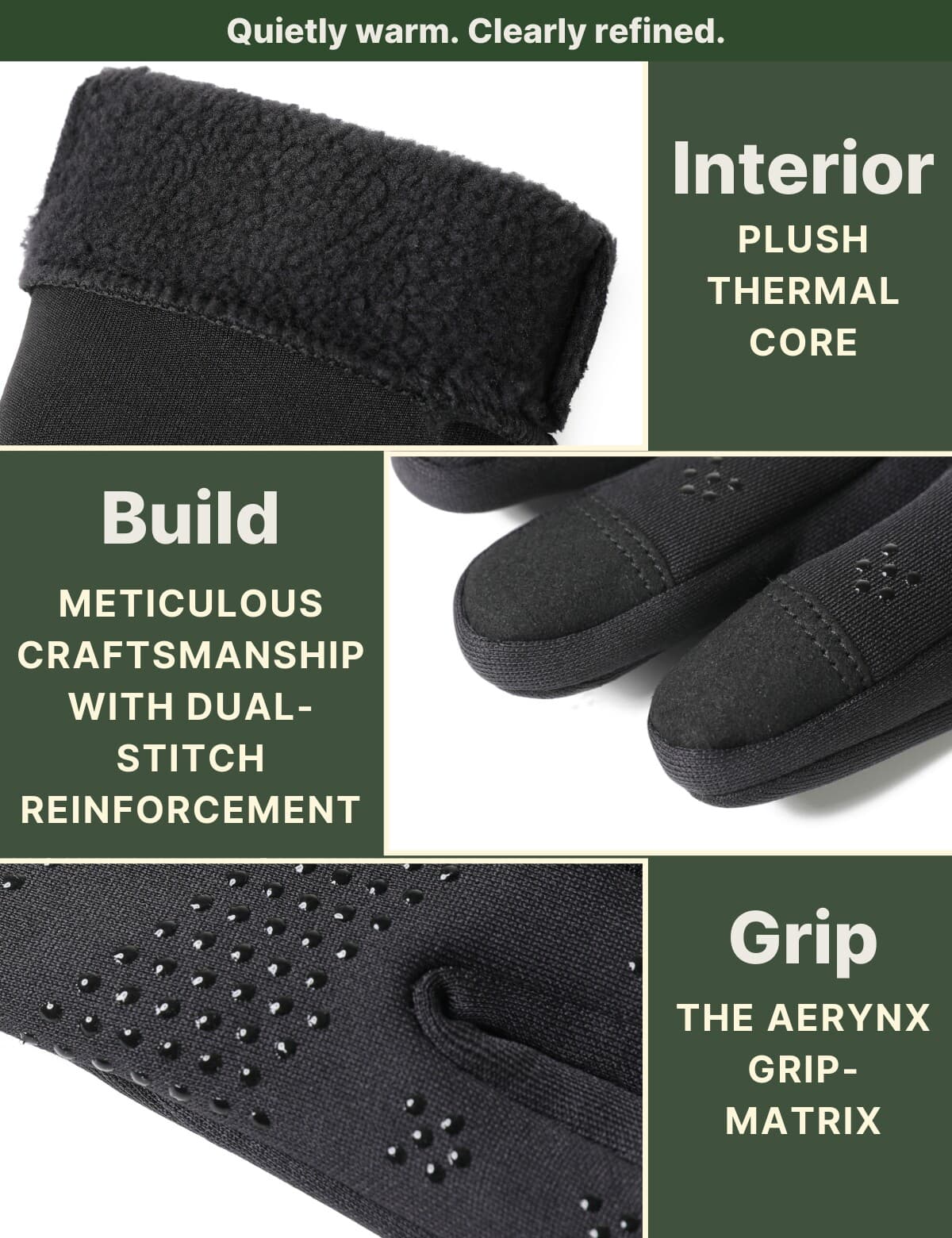
Fleece GSM and Layer Counts: What the Numbers Say About Glove Warmth
320 gsm describes a fabric, not a glove, and six layers aren't twice as warm as three. Here's what glove numbers tell you and what to check instead.
Read the field noteGRS and Recycled Winter Gloves: How to Read the Claims
What GRS and recycled-material claims on winter gloves cover, what evidence to ask for, and why certification doesn't measure warmth or every impact.
Read the field noteCare
How to Wash Touchscreen Winter Gloves Without Guesswork
Start with the care label, then wash and dry gently. What to watch with touchscreen fingertips, grip dots and water-repellent finishes, and what to skip.
Read the field noteHow to Dry Winter Gloves That Are Still Wet Inside
A dry shell can hide damp fingertips. Hang gloves wrists-down, press the water out, keep them off direct heat and check every finger before you wear them again.
Read the field note